Laid-Back Luxury Living Across Miami’s Neighborhoods
July 9, 2026
July 9, 2026
What does luxury feel like when you want it to be relaxed, not rushed? In Miami, that answer depends on where you land. Some neighborhoods give you beachfront energy, others offer bayfront calm, historic character, design-forward surroundings, or more space for everyday living. This guide will help you compare Miami’s neighborhood styles so you can get clearer on what laid-back luxury looks like for you. Let’s dive in.
Miami is not one-note. Across the city and nearby areas, luxury can mean ocean views, boating access, walkable dining, high-rise convenience, historic architecture, or a quieter suburban rhythm.
That variety matters when you start your search. Instead of asking which neighborhood is “best,” it helps to ask which lifestyle feels most natural for your day-to-day life.
South Beach is the iconic version of Miami living. You get white-sand beach access, clear water, Art Deco surroundings, and a lively atmosphere that draws people who want action close at hand.
It is not only about nightlife, though. South Pointe Park, Lummus Park, The Bass, and the New World Center add a culture-and-wellness side that can make the area feel more rounded than many people expect.
If you like Miami Beach but want a softer pace, Mid Beach offers a strong middle ground. Officially, it blends South Beach cool with North Beach calm, which makes it appealing if you want style without constant intensity.
You will find beachfront access, stylish restaurants and lounges, and an arts presence, along with a more relaxed day-to-day feel than South Beach proper. For many buyers, that mix is where laid-back luxury starts to feel very real.
North Beach is the quieter beach choice. Its official identity centers on a leisurely pace, a mostly residential setting, fewer crowds, MiMo architecture, and a small-beach-town feel.
If your idea of luxury includes peaceful mornings, easy beach access, and a more low-key environment, North Beach may stand out. It offers a different side of Miami Beach that feels more settled and less showy.
Coconut Grove has long been one of Miami’s most distinct neighborhoods. It is often described as tropical, bohemian, and bayfront, with boating woven into daily life through Dinner Key Marina, waterfront parks, outdoor dining, CocoWalk, and cultural spots like Vizcaya Museum & Gardens and The Barnacle Historic State Park.
It also brings useful housing variety to the conversation. City planning materials note that Coconut Grove is mostly residential, with single-family homes as the most common use, while duplex, triplex, and multifamily options are concentrated in Center Grove.
That housing mix helps explain the Grove’s appeal. You can enjoy a village-like setting with strong lifestyle amenities while still exploring several residential formats depending on your goals.
Key Biscayne offers one of the clearest examples of peaceful upscale living near Miami. Official guides describe it as a subtropical island paradise with calm beaches, nature preserves, marinas, boating, panoramic views, and resort-style amenities.
If you are drawn to waterfront living that feels polished but unhurried, Key Biscayne deserves a look. It delivers a quieter tone than many mainland and beach districts while still feeling elevated and connected to the water.
Coral Gables brings a classic and refined version of Miami luxury. Its Mediterranean Revival homes, wide tree-lined streets, and banyan canopy create a small-town feel within a major metro area.
The lifestyle here is shaped by places like Miracle Mile, the Shops at Merrick Park, the Biltmore Hotel, Venetian Pool, Matheson Hammock Park & Beach, and Fairchild Tropical Botanic Garden. It is also recognized as one of Miami’s strongest dining districts.
If you want beauty, structure, and a polished atmosphere, Coral Gables is often a natural fit. It feels established and graceful, with a strong sense of place.
Morningside offers a quieter residential story. Official descriptions identify it as a single-family home neighborhood north of Downtown Miami with historic-district status and access to Morningside Park on Biscayne Bay.
For buyers who value privacy, character, and a calm setting over nightlife, Morningside offers a compelling option. Its appeal is less about buzz and more about serenity.
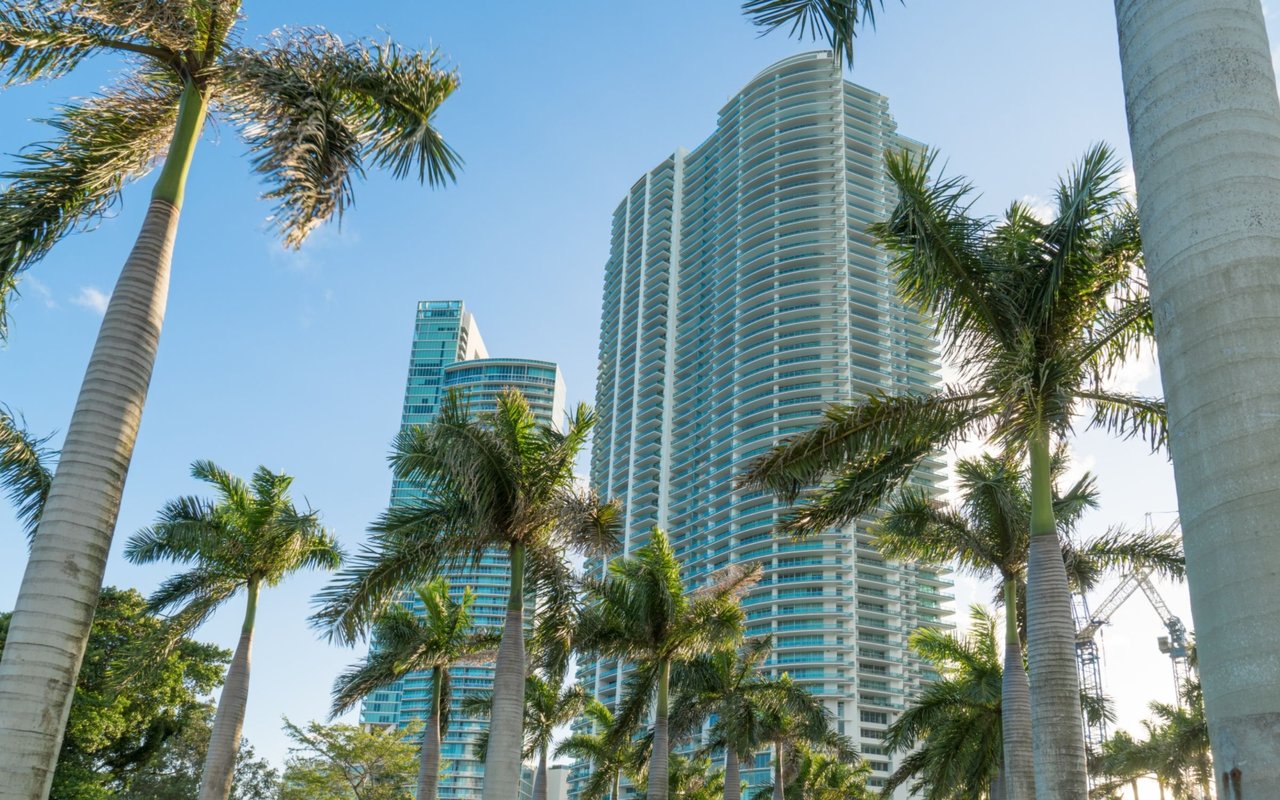
Brickell and Downtown Miami are the center of skyline living. These neighborhoods are known for soaring towers, Biscayne Bay views, bayfront parks, upscale shopping, dining with city views, and movement through the free Metromover system.
You also have access to major cultural destinations, including PAMM, the Frost Museum of Science, Bayfront Park, and nearby entertainment venues. For people who want a lock-and-leave lifestyle or building amenities close to work and leisure, this part of Miami can feel especially convenient.
The overall housing picture supports that idea. In May 2026, Miami-Dade’s median condo sale price was $415,000, while the median single-family sale price was $680,000. Condo inventory stood at 12.9 months of supply compared with 5.2 months for single-family homes, which points to a buyer’s market for condos and a seller’s market for houses.
That split can shape your options. Condo-heavy neighborhoods may offer more room to compare properties, while single-family areas may feel more competitive.
The Upper East Side brings a nostalgic urban-tropical feel to the luxury conversation. Official guides highlight restored MiMo architecture, retro shopping streets, and creative mixed-use spaces like Miami Ironside.
If you want a neighborhood with personality and design appeal, this area offers a less conventional luxury story. It feels creative, layered, and residential at the same time.
The Miami Design District is where luxury retail, public art, museums, and fine dining come together in a concentrated setting. Officially, it spans an 18-block district north of Wynwood and is known for high-end boutiques and chef-driven restaurants.
For buyers who care about aesthetics, fashion, and a curated urban environment, the Design District has a very specific appeal. It is polished, modern, and highly design-conscious.
Wynwood is the arts-first counterpart. Known for murals, galleries, and the Wynwood Walls, it has grown from a warehouse district into a mixed-use arts neighborhood.
City planning materials also recognize Wynwood as a mixed-use district with residential components. That makes it relevant if you are considering a live-work-play setting in an area shaped by ongoing growth and creative energy.
Little Havana adds an important cultural counterpoint to the Miami luxury story. Centered on Calle Ocho, it is known for Cuban restaurants, coffee windows, cigar shops, music venues, Domino Park, the Tower Theater, and the Calle Ocho Music Festival.
This neighborhood is less about beachfront polish and more about cultural depth and daily vibrancy. If connection to local tradition matters to you, it brings a different kind of richness.
Not every version of laid-back luxury has to be on the water. Kendall offers a quieter inland alternative with parks, shopping, golf, and a suburban rhythm that contrasts with Miami’s more high-profile waterfront districts.
If your priority is everyday comfort, more space, and an amenity-driven environment, Kendall can be part of the conversation. It shows how Miami-area living can shift from resort energy to a more grounded residential pace.
If you are still narrowing things down, start with the lifestyle you want most:
Miami-Dade’s overall market also suggests there is still strong demand across property types. Total home sales were up 7.9% year over year in May 2026, and $1 million-plus sales also increased, showing continued interest in lifestyle-driven homes across the county.
The right neighborhood is the one that supports how you want to live, not just what looks good in a listing photo. If you want help sorting through Miami’s many options with calm, personal guidance, Belinda Moreno can help you make sense of the choices and find a home that fits your next chapter.
Stay up to date on the latest real estate trends.