Guide To Buying A Condo In Hallandale Beach
July 2, 2026
July 2, 2026
If you are thinking about buying a condo in Hallandale Beach, you are probably drawn to more than just the view. This city offers coastal access, a wide range of price points, and a lifestyle that can feel easy and exciting all at once. The key is knowing how to look past the listing photos and understand the building itself, because in this market, a smart condo purchase depends as much on the association and the property’s condition as it does on the unit. Let’s dive in.
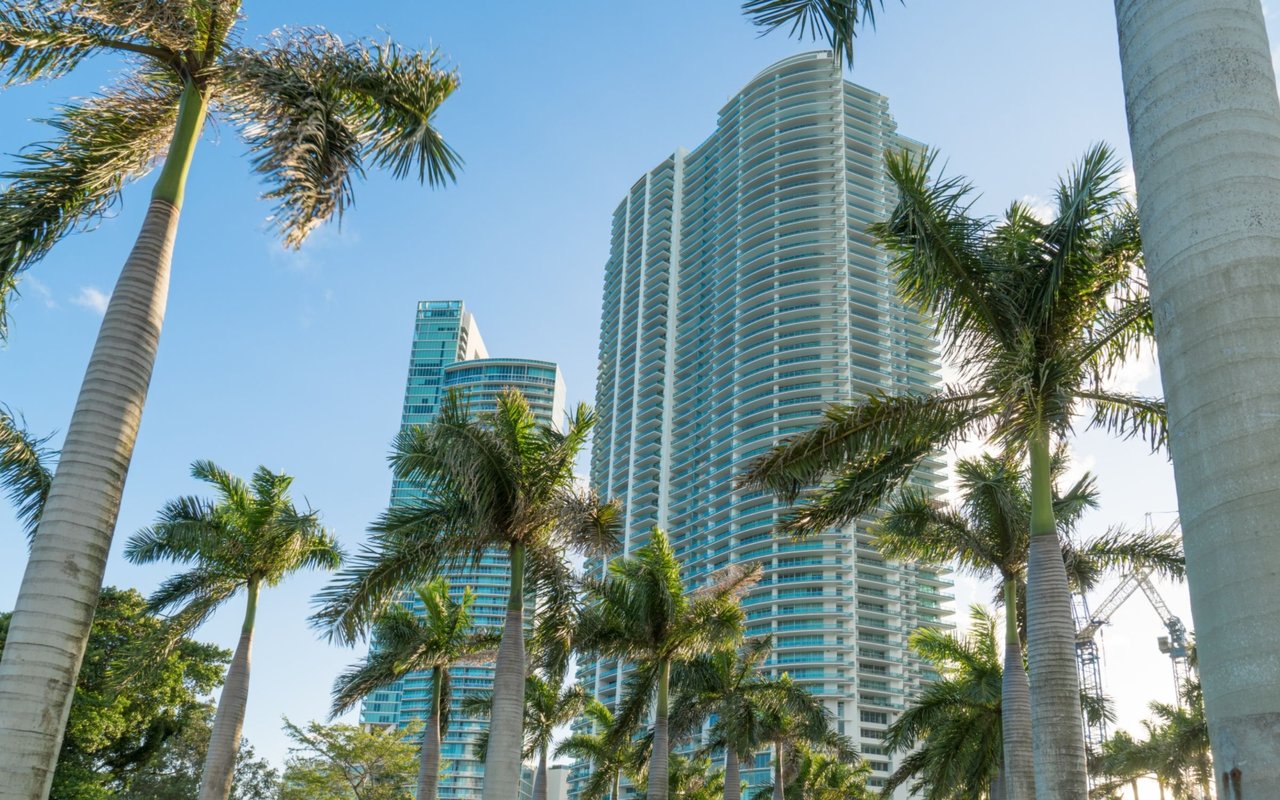
Hallandale Beach sits on Broward County’s southeast coast and offers a mix of shoreline living and city convenience. The city has four public beach accesses, two beachfront parks, a marina with annual and transient slips, and resident beach-parking discounts. City materials also highlight Gulfstream Park and a financial district, which adds to the area’s everyday appeal.
For buyers, that mix creates options. You may want an oceanfront building with extensive private amenities, or you may prefer a condo that relies more on the city’s public beaches, parks, and marina for lifestyle value. Either way, you are buying into both a unit and a location experience.
As of April 2026, Hallandale Beach had a median listing price of $319,000, a median rent of $2,550, around 1,314 active for-sale listings, and a median 90 days on market. That tells you there is meaningful inventory to compare and that buyers often have time to evaluate options carefully.
The local price range is also broad. Realtor.com data shows condo pricing stretching from about $179,500 in Fairways Royale to roughly $1.14 million in Beach Club Three. In practical terms, that means Hallandale Beach can work for buyers seeking a more accessible entry point as well as those looking for a luxury coastal purchase.
When you buy a condo, your real budget is not just the purchase price. You also need to understand monthly fees, reserves, insurance exposure, and the possibility of future assessments. In Hallandale Beach, especially in coastal buildings, those items can have a major effect on long-term affordability.
A lower monthly fee is not always better. Sometimes it reflects fewer amenities, which may be fine for your goals. Other times it can point to a building that is funding reserves differently or facing repair costs that have not fully shown up yet.
Monthly condo fees can cover a mix of operating and building costs. In Florida condo communities, buyers should look closely at whether the fee includes:
The exact package will vary by building. One Hallandale Beach oceanfront project currently advertises private beach service, pools, cabanas, spa and fitness facilities, valet, concierge, and 24-hour security. Buildings with those kinds of offerings may carry a different fee structure than properties with more limited private amenities.
Florida law requires condo budgets to be detailed and to show expense classifications. The board must adopt the annual budget at least 14 days before the start of the fiscal year. That makes the budget one of the most useful documents you can review during due diligence.
There is also an important rule tied to rising assessments. If proposed assessments would exceed 115 percent of the prior year’s assessments, the board must also propose a substitute budget, with certain statutory exclusions such as required reserves, some irregular repair expenses, and insurance premiums. For buyers, this matters because it helps explain why fees can shift and where those changes are coming from.
In many coastal buildings, reserves, insurance, and maintenance are the biggest fee drivers. Florida law requires reserve accounts for capital expenditures and deferred maintenance, including items like roof replacement, painting, pavement resurfacing, and other major items over the statutory threshold. For 2026, the inflation-adjusted reserve threshold posted by DBPR is $25,675.
For budgets adopted on or after December 31, 2024, unit-owner-controlled associations that must obtain a structural integrity reserve study generally may not vote to underfund those required reserve items. That is an important shift for buyers because it can mean monthly fees are more closely tied to the real cost of maintaining the building.
If a building recently had a milestone inspection and needs repairs, Florida law allows some associations, with majority owner approval, to temporarily pause or reduce reserve funding for up to two consecutive annual budgets through December 31, 2028. On paper, that may make the monthly fee look more manageable.
But as a buyer, you should look deeper. A reduced reserve contribution can mean the association is temporarily directing money toward repairs instead of building reserves. That is why the full budget story matters more than one number.
Florida associations must prepare financial reports based on their total annual revenues. Depending on the size of the association, that may mean cash receipts and disbursements statements or compiled, reviewed, or audited financial statements. The report must be completed within 90 days after the fiscal year ends and delivered to owners within 180 days, or sooner once finalized.
For you as a buyer, the report type can offer context about the association’s size and financial practices. More importantly, the actual budget and reserve line items help you see where the monthly fee is going. This is one of the clearest ways to judge whether the building’s finances appear organized and transparent.
Insurance deserves a careful review in any Florida condo purchase, and especially in a coastal market like Hallandale Beach. Florida condo associations must carry adequate property insurance, and the board sets deductibles based on available funds and assessment authority.
In general, the association policy covers common elements and original building components, while unit owners are responsible for many interior items and for carrying their own unit-owner policy. Florida law also allows associations to carry flood insurance for common elements, association property, and units, and the required flood disclosure reminds buyers that standard homeowners policies do not include flood coverage.
That means you should not assume the association’s policy covers everything that matters to you inside the unit. Ask what the association insures and what would fall to you as the owner.
Florida gives resale buyers the right to receive a meaningful package of association documents. These records can help you understand rules, finances, inspections, and risks before you move forward.
For a resale condo purchase, you are entitled to current copies of:
The FAQ sheet must also explain leasing restrictions, recreational-facility fees, the assessment basis, any mandatory recreational membership, and any association cases with possible liability over $100,000. These details can affect both your monthly costs and your future flexibility.
Those condo documents are not just nice to have. They affect your contract rights.
For resale purchases after July 1, 1992, the contract must either show that the required documents were delivered more than 7 days before signing or give you a 7-day cancellation period after receipt. For developer sales, the voidability period is 15 days. For contracts after December 31, 2024, if milestone inspection, turnover inspection, or structural integrity reserve study documents are applicable and have not been completed, that status must be disclosed.
This timeline matters because it gives you space to review what you receive and make a more informed decision. It is one more reason to stay organized and ask for documents early.
Some of the most useful condo due diligence happens beyond the standard disclosure package. Buyers should ask for board meeting minutes, especially budget meetings, because Florida official records include budgets, proposed budgets, financial reports, contracts, reserve studies, inspection reports, and rental records where applicable.
The association must make records available within 10 working days at a location within 45 miles of the property or in the county, and it must maintain a checklist of what records were produced. Minutes can help you spot recurring issues, planned projects, or concerns that may not be obvious from a listing sheet.
Because Hallandale Beach is a coastal market, building age and inspection status are especially important. Florida law requires milestone inspections for buildings that are three habitable stories or more at 30 years of age and every 10 years after that. In salt-water-proximity areas, local enforcement agencies may require the first inspection at 25 years.
After a phase-one or phase-two report, the inspector-prepared summary must be delivered to owners within 45 days. If substantial deterioration is found, repairs must begin within 365 days under the local ordinance framework. For a buyer, this means building condition is not a side issue. It is central to value.
A condo in Hallandale Beach can be a great purchase when the unit, the building, and the financial picture all align. Before you write an offer, ask practical questions that connect directly to Florida’s condo rules and local coastal conditions.
Here are some of the most important ones:
These questions can help you compare two similar-looking condos in a much smarter way. In many cases, the better value is the building where the monthly fee, reserve plan, and condition all make sense together.
In this market, condo value is about more than square footage or finishes. A beautifully updated unit in a building with unresolved repair needs or weak reserves may not be the strongest long-term choice. On the other hand, a condo with a higher monthly fee may offer more stability if that fee reflects realistic reserves, solid insurance coverage, and a well-maintained property.
That is why condo buying in Hallandale Beach calls for a calm, informed approach. When you understand the documents, ask the right questions, and compare the building as carefully as the unit, you put yourself in a much better position to buy with confidence.
If you want guidance as you compare condos in Hallandale Beach, Belinda Moreno offers a warm, informed approach built around clear communication and personal support.
Stay up to date on the latest real estate trends.